
"Dar es Salaam"
235 article(s) found

A brief introduction to the Market Price of Burundian Fine Coffee Bean varieties with strong aroma
There are two major ethnic groups in Burundi, and only about 15 percent of the Tutsi have ruled the country since the 16th century, controlling the civilian population, which is mainly made up of Hutu, plus a very small number of indigenous Twa. This abnormal social structure in which ethnic minorities occupy a high position has buried the evil seed of national instability, and in 1

Fragrant Burundian Coffee Flavor Taste introduction to Fine Coffee in Manor production area
There are two major ethnic groups in Burundi, and only about 15 percent of the Tutsi have ruled the country since the 16th century, controlling the civilian population, which is mainly made up of Hutu, plus a very small number of indigenous Twa. This abnormal social structure in which ethnic minorities occupy a high position has buried the evil seed of national instability, and in 1

Introduction of Kawa Cooperative of Moussa processing Plant in Rwanda. Is Rwanda Musasha Coffee beans good?
Professional coffee knowledge exchange more coffee bean information please follow the coffee workshop (Wechat official account cafe_style) Rwanda is located in the heart of the interior of Africa, its mountain terrain is fertile land, as well as ancient traditional bourbon species, indicating that the natural environment needed to grow quality coffee beans can be found everywhere in Rwanda. Coffee was introduced to Rwanda by German missionaries in 1904, 1930.

Fragrant Burundian coffee flavor taste manor boutique coffee beans introduction
There are two major ethnic groups in Burundi, and only about 15 percent of the Tutsi have ruled the country since the 16th century, controlling the civilian population, which is mainly made up of Hutu, plus a very small number of indigenous Twa. This abnormal social structure in which ethnic minorities occupy a high position has buried the evil seed of national instability, and in 1

A brief introduction to the market price of Burundian boutique coffee beans with excellent acidity
Burundian coffee market: most of Burundi's coffee products are exported to the United States, Germany, Finland and Japan. Lake Tanganyika is longitudinally striped from north to south, 670km long and only 48-70km wide from east to west. It is the narrowest lake in the world, with a surface area of about 32900 square kilometers. It is the second largest lake in Africa (the largest lake is Lake Victoria L.Victoria), with an elevation of the lake.

A brief introduction to the description of flavor, taste and aroma characteristics of fine Burundian coffee beans with excellent acidity
Burundi has the most diverse and successful coffee industry in the world, and has its own characteristics. Burundian coffee is fragrant and has excellent acidity. Flavor: full-bodied, full-bodied with excellent acidity. Burundi coffee was introduced by Belgian colonists in 1930. Unfortunately, many of these farms are engaged in frequent wars.

A brief introduction to the treatment method of grinding degree and baking degree of aromatic Burundian boutique coffee beans
Coffee production in Burundi: Burundian coffee is now grown only on small farms. Almost all coffee produced in Burundi is Arabian coffee beans, while coffee trees in Ngozi are planted at an altitude of more than 1200 meters. Characteristics of Burundi Coffee: Burundi (Burundian) has the most diverse and successful coffee industry in the world, and has its own characteristics.

Geography of Rwandan coffee beans what are the varieties of Rwandan coffee? Rwandan coffee flavor
Professional coffee knowledge exchange more coffee bean information please follow the coffee workshop (Wechat official account cafe_style) Rwanda coffee growing environment Rwanda is located in the heart of the interior of Africa, its mountain terrain is fertile land, as well as ancient traditional bourbon species, indicating that the natural environment needed to grow quality coffee beans can be found everywhere in Rwanda. Coffee was made in Germany in 1904.

Flavor characteristics of Rwandan Coffee in Red Bourbon-Buf Caf é small Farm
Professional coffee knowledge exchange more coffee bean information please follow the coffee workshop (Wechat official account cafe_style) Rwanda is located in the heart of the interior of Africa, its mountain terrain is fertile land, as well as ancient traditional bourbon species, indicating that the natural environment needed to grow quality coffee beans can be found everywhere in Rwanda. Coffee was introduced to Rwanda by German missionaries in 1904, 1930.

A brief introduction to the cultivation of aromatic boutique coffee beans in Burundi, geographical location, climate and altitude
There are two major ethnic groups in Burundi, and only about 15 percent of the Tutsi have ruled the country since the 16th century, controlling the civilian population, which is mainly made up of Hutu, plus a very small number of indigenous Twa. This abnormal social structure in which ethnic minorities occupy a high position has buried the evil seed of national instability, and in 1

Ugandan coffee with thick taste and low acidity introduces fine coffee.
The equator runs across Uganda, and the suitable climate makes it the main producing area of Robbins coffee beans (Robusta) in the world. In the 1960s, Ugandan coffee production remained at 3.5 million bags a year. By the mid-1980s, coffee production had dropped to 250 bags a year, mainly for political reasons. But now coffee production is on the rise again, currently about 3 million bags a year. Coffee

A brief introduction to the treatment method of grinding degree and baking degree of fine Burundian coffee beans with mellow taste
Characteristics of Burundi Coffee: Burundi (Burundian) has the most diverse and successful coffee industry in the world, and has its own characteristics. Burundian coffee is fragrant and has excellent acidity. Flavor: mellow taste, rich aroma, excellent acidity Burundian coffee features: suggested roasting method: medium to deep roasting ★★: good lake with many rivers

A brief introduction to the history and culture of the origin and development of fine Burundian coffee beans with mellow taste
Burundi coffee was introduced by Belgian colonists in 1930. Unfortunately, many of these farms are on the border with war-torn Rwanda, putting pressure on coffee production. Coffee production in Burundi: Burundian coffee is now grown only on small farms. Almost all the coffee produced in Burundi is Arabian coffee beans.
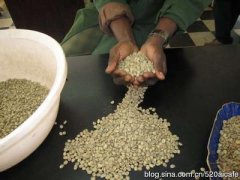
A brief introduction to the history and culture of the origin and development of fine Burundian coffee beans with excellent acidity
Burundi coffee was introduced by Belgian colonists in 1930. Unfortunately, many of these farms are on the border with war-torn Rwanda, putting pressure on coffee production. Coffee production in Burundi: Burundian coffee is now grown only on small farms. Almost all the coffee produced in Burundi is Arabian coffee beans.

Uganda coffee varieties producing area characteristics boutique coffee beans flavor estate introduction
There was an emirate called Kitara in western Uganda in the 13th century AD. In the thirteenth and fourteenth centuries, the country was conquered by the nomadic tribe of the Bachivezi. From the end of the 15th century to the beginning of the 16th century, the Luo people originally residing in southern Sudan moved south to replace the rule of the Bachiwezi people and established the Kingdom of Bunoro and the Babito Dynasty in Buganda. These foreign rulers were soon employed locally as farmers

A brief introduction to the treatment method of grinding degree and baking degree of Burundian boutique coffee beans with fruit flavor
Recommended baking method: moderate to deep baking ★★: good there are two major ethnic groups in Burundi, and only about 15% of the Tutsi have ruled the country since the 16th century, controlling the civilian population, which is mainly made up of Hutu, plus a very rare aboriginal Twa. Does this kind of minority occupy a high position?

A brief introduction to the flavor, taste and aroma characteristics of Burundian boutique coffee beans
There are many hippos and crocodiles in the lake, and there are many kinds of birds. There are more than 300 kinds of fish in the lake, among which the African crucian carp is the most famous. Developed water transport, there are Kighoma, Ugiji, Kalemi, Uvira, Bujumbura and other lake ports. There are many crocodiles and hippos in the lake, surrounded by elephants, antelopes, lions, giraffes and other animals endemic to Africa. The lake is rich in fish and all kinds of waterbirds, which is a good day.

A brief introduction to the history and culture of the origin and development of Burundi Luo boutique coffee beans with almond aroma.
Burundi coffee was introduced by Belgian colonists in 1930. Unfortunately, many of these farms are on the border with war-torn Rwanda, putting pressure on coffee production. Coffee production in Burundi: Burundian coffee is now grown only on small farms. Almost all the coffee produced in Burundi is Arabian coffee beans.

Buf Cafe small Farm in Rwanda details the description of the flavor of washed red bourbon
Professional barista exchanges please follow the coffee workshop (Wechat official account cafe_style) Rwanda Red Bourbon-Buf Caf small Farm Rwanda is located in the heart of the interior of Africa, its mountain terrain is fertile land, as well as ancient traditional bourbon species, indicating that the natural environment needed to grow quality coffee beans can be found everywhere in Rwanda. Coffee was introduced by German missionaries to Luwang in 1904.

A brief introduction to the Market Price of Burundian Fine Coffee Bean varieties with Fruit flavor
There are many plateaus and mountains in Burundi, most of which are made up of the plateau on the east side of the East African Rift Valley. The national average elevation is 1600 meters, which is known as the mountain country. According to the topography of Burundi, it can be divided into three regions: the western plain, along the Ruzizi River, the Rift Albrtine plain, 774 to 1000 meters above sea level; and the central and western mountains, with an average elevation of 1700 meters, with the highest peak in Bujumbura.